

Depth gets tossed around like a dare. We treat it like a dial: controlled resurfacing that’s strong enough to shift texture and pigment, yet structured enough to keep the barrier respected. In this blog, we break down what “deep” truly means for the Perfect Derma Peel in Atlanta, GA, how we guide the timeline, and how we protect results with smart aftercare.

Depth, Decoded: What We Mean (And What We Don’t)
When someone asks, “How deep is it?” we hear six hidden questions at once: Will it sting? Will we peel a lot? Will we look scary? Will we be able to work? Will it help pigment? Will it be safe for our tone?
At our Medical Spa Atlanta, GA, we don’t chase drama. We chase correction. Depth isn’t the goal. Outcomes are: clearer tone, smoother feel, tighter-looking pores, and that “fresh skin” glow that shows up in daylight, not just in mirrors.
What This Peel is Designed to do
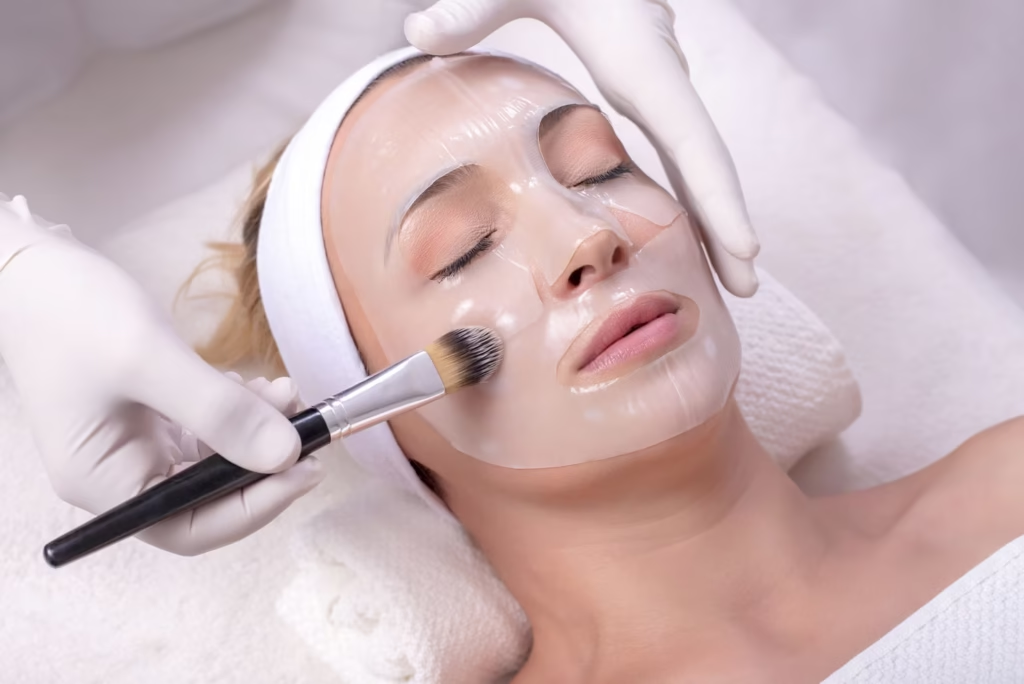
Here’s the simplest description: it’s a medical-grade chemical peel that exfoliates the top layer of skin so newer, more radiant skin can step forward. It’s built for people who are tired of fighting the same surface problems over and over: fine lines, acne marks, uneven pigment, sun damage, melasma patterns, and texture that won’t smooth out even with “good skincare.”
And yes, we do offer the Perfect Derma Peel in Atlanta, GA at SkinEthics MedSpa as a professional, in-clinic treatment, because the ingredient blend is not something we consider safe for casual at-home experimenting.


The Ingredient Blend and Why it Affects “Depth”
Depth isn’t only about an acid percentage. It’s also about the mix.
This peel’s key ingredients include TCA, kojic acid, retinoic acid, phenol, vitamin C, salicylic acid, and glutathione. That lineup matters because it creates multiple lanes of improvement at the same time:
- exfoliation and turnover support
- brightening and tone-evening support
- antioxidant defense
- texture refinement
What makes this peel especially “talked about” is glutathione. SkinEthics highlights it as a foundational component that helps set this peel apart, with antioxidant and anti-aging benefits and support for discoloration concerns.
So when people call it “deep,” they often mean it delivers a visible shed and a visible shift.
How Deep is it, Really?
We keep this honest: “deep” here means more than a light, lunchtime refresh, and less than a medically aggressive resurfacing procedure that requires weeks of hiding.
On our page, we describe it as exfoliating the top layer of skin, while also calling it a “deep peel” because it can drive strong, noticeable improvements in tone and texture. The practical takeaway is this: it’s potent enough to peel, but designed to be predictable when applied correctly and followed with disciplined aftercare.


What Happens in The Room
The appointment is not long. Treatment length is typically about 45 minutes in our office. We prep the skin, apply the solution with professional technique, and watch how the skin responds.
Sensations vary, but most clients describe a warm tingle, a prickly “active” feeling, or mild stinging that comes in waves. It’s not the kind of pain that should make anyone panic. It’s the kind of sensation that reminds us the skin is responding.
Then we shift into coaching mode. We send you home with a timeline, guardrails, and a clear “what’s normal” map so you don’t spend day two wondering whether every flake is a disaster.
The Peel Timeline: Day by Day, Not Mystery by Mystery
Most clients want the calendar.
Day 0 to Day 1: tightness, dryness, a slightly “windburned” feel.
Day 2 to Day 3: peeling usually begins about 2–3 days after treatment.
Day 4 to Day 6: peak shedding for many people, often around mouth, chin, and cheeks.
Day 7+: the shed tapers, the surface looks clearer, and makeup starts behaving again.
There’s also a note we always share: some clients experience a secondary peeling process after the initial shedding. That can be normal. Skin doesn’t always “finish” in one clean sheet.


What Peeling Looks Like (And How We Keep it Safe)
Peeling can look like fine flakes, small sheets, or patches that lift when you smile. That’s normal. What’s not normal is forcing it.
Our aftercare basics are simple, repeated, and non-negotiable:
- avoid sun exposure
- moisturize with post-peel moisturizer
- use gentle cleansers
- do not pick or scratch peeling skin
Those are straight from our Perfect Derma Peel guidance because the days after are when we protect the barrier and protect pigment stability.
If we pick, we can create irritation. If we irritate, pigment can rebound. If pigment rebounds, we lose momentum. So we keep hands off. Always.
Who Tends to Love This Peel
We see this peel shine when the concern is “loud” on the surface:
- uneven tone and stubborn discoloration
- sun damage and brown spots
- melasma patterns that need a thoughtful plan
- acne and acne scarring texture
- fine lines, dullness, and rough patches
- clarity issues where skin looks “flat”
SkinEthics describes the peel as safe and effective for all skin types and ethnicities, which is a major reason we love it as a versatile option. Still, “safe for many” doesn’t mean “automatic for everyone today.” We look at sensitivity, current irritation, and product use. We plan it, we don’t gamble it.

How Many Treatments Create The Best Change
One peel can refresh. A series can correct.
SkinEthics recommends best results in a series of three treatments, ideally one month apart, often during fall or as needed. That spacing gives the skin time to recover and lets us evaluate how your tone and texture are responding before we layer another cycle of turnover.
We also talk about boosters. Our page lists $325 for the initial treatment and $50 for additional boosters. We decide whether a booster makes sense based on goals, tolerance, and what we are targeting.
Downtime: What it Actually Means
Downtime here is mostly social downtime, not medical downtime.
You can usually work, drive, shop, and live. But you will likely look visibly dry and peel-y for a few days, and makeup may sit strangely during peak shedding. If you have a wedding, a photoshoot, or a big presentation, we schedule around it. Planning is the difference between “this was perfect” and “why did we do this now?”
How We Fit it into A Bigger SkinEthics Plan
We don’t treat skin like a one-trick puzzle. We treat it like a system.
Sometimes we combine a peel plan with barrier-building home care so results last longer. Sometimes we sequence peels with texture-focused services. Sometimes we slow down and calm the skin first, because “more” is not always smarter.
Our brand promise is ethical recommendation: only what is needed and safe for your one-of-a-kind skin. That’s how we protect trust. It’s also how we protect outcomes.

Frequently Asked Questions
We usually feel tingling, warmth, or mild stinging during application, often in waves. Afterward, tightness and dryness are common, like the skin is “wrapped” for a day.
Peeling typically begins around day 2 or 3. Many clients see the main shed over several days, then a taper. A secondary, lighter peel can happen after the first round.
SkinEthics states it’s safe and effective for all skin types and ethnicities. We still personalize timing, prep, and aftercare to keep the barrier calm and pigment stable.
Some people love one peel for a refresh. For stronger correction, we often plan a series of three, spaced about one month apart.
Expect visible dryness and peeling for several days, plus strict sun avoidance and gentle products. We usually can keep normal routines, but we plan around events because makeup may not sit smoothly mid-peel.
Expect tightness first, peeling next, then a clearer-looking surface once shedding ends. Brighter tone and smoother texture typically show as the new skin settles and we stay consistent with aftercare.
The Bottom Line
“Deep” doesn’t have to mean harsh. For us, it means targeted. It means a peel strong enough to move the needle on tone and texture, while still respecting the skin’s ability to heal beautifully when we follow the rules.
If we are also mapping expression-line softening, we can pair this conversation with our blog entitled, “What is Botox on Face?” because resurfacing and neuromodulators can complement each other when we schedule responsibly.
Ready to start your correction plan with SkinEthics MedSpa? Book your consultation for the Perfect Derma Peel in Atlanta, GA today right NOW!